
Emergency Roof Storm Damage: Safe Steps for Homeowners
Storm damaged your roof? Follow these safe first steps, understand temporary protection, and find out how a professional inspection works in Telford and.
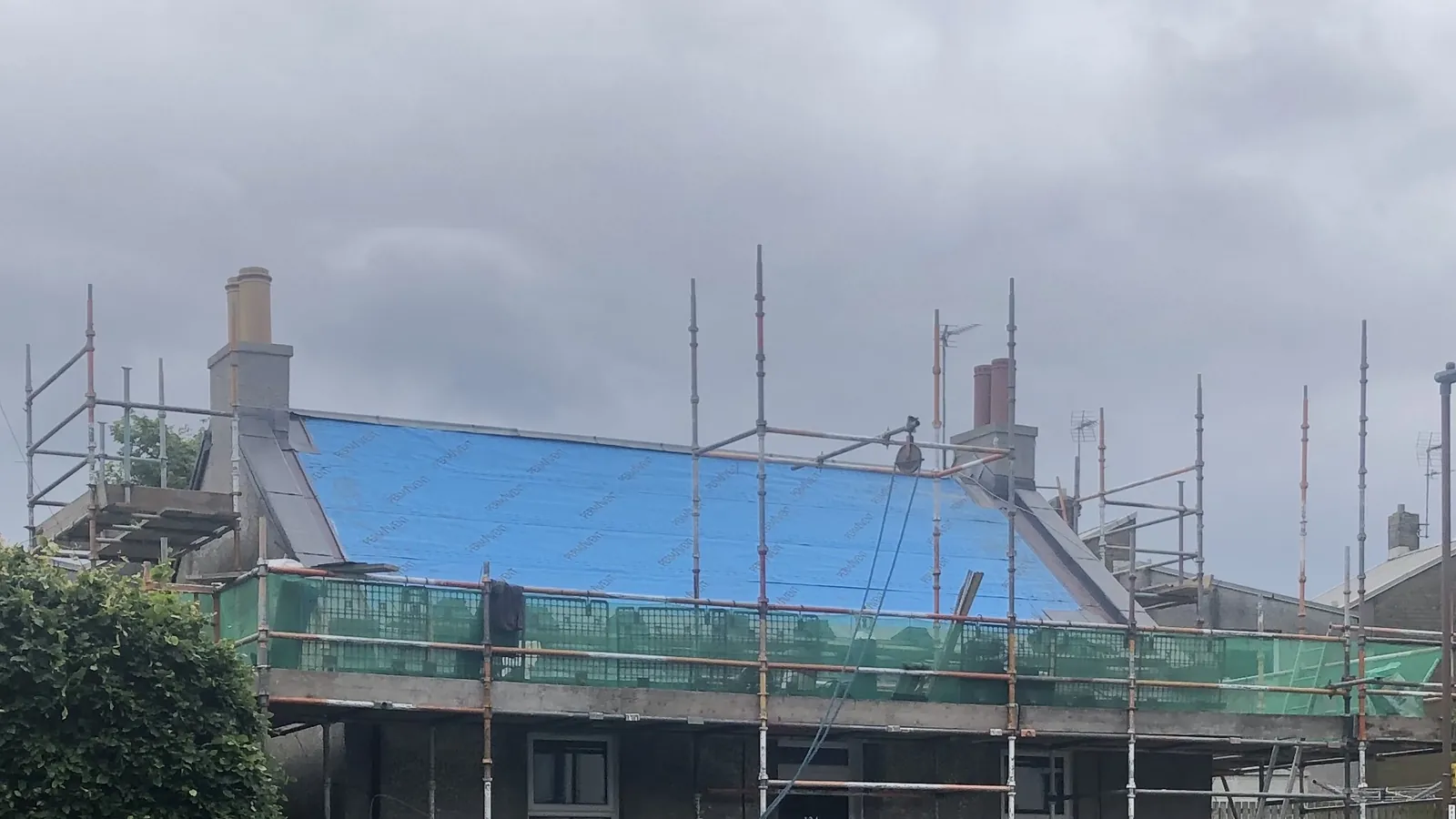
A storm can leave a roof in a dangerous state within minutes. Knowing what to do in the first hour — and what to avoid — can prevent a manageable repair from becoming a serious structural problem. This guide covers safe immediate actions, temporary protection, and how a professional inspection works, with notes on what applies to homes across Telford, Shropshire and the wider West Midlands.
This is general guidance only. Every property, roof construction and storm event is different. Always follow the advice of a qualified professional before taking any action on or near a damaged roof.
What to Do Immediately After Storm Damage
The instinct to get up and fix things quickly is understandable, but the roof is one of the most dangerous places to be after a storm. Wind-loosened tiles, wet surfaces and hidden structural movement make access extremely hazardous.
Stay off the roof
Do not attempt to climb onto the roof yourself. This applies even if the damage looks minor from the ground. Leave physical access entirely to professionals with the correct equipment and training.
Assess safely from ground level
Stand well back and look for:
- Slipped, cracked or missing tiles
- Sagging or detached guttering
- Debris on the roof or in the garden that has fallen from above
- Visible gaps in the ridge line or around chimney stacks
- Any leaning or movement in chimney stacks or parapet walls
Take photographs from ground level. Clear, timestamped images are useful when speaking to your insurer.
Manage water ingress inside the property
If water is entering the building:
- Place buckets or containers to catch drips
- Move furniture, electronics and valuables away from affected areas
- Lay down towels or plastic sheeting to protect floors
- Isolate the electricity supply to any room where water is entering near fittings or cables. If in doubt, isolate at the consumer unit and contact a qualified electrician before restoring power.
Contact your insurer early
Most household insurance policies require you to report storm damage promptly. Check your policy wording before arranging any repairs, as some insurers require their own inspection or approval before work begins. Keep all receipts for any emergency protective measures you arrange.
Temporary Protection: Buying Time Until Full Repairs
Once a professional is on site, the priority is to stabilise the roof and prevent further water ingress before a full repair programme begins. Temporary measures typically include:
- Tarpaulins or temporary sheeting secured over exposed roof areas to prevent rain penetration
- Temporary flashing or sealant applied around vulnerable junctions — chimney bases, valleys, abutments — to slow active leaks
- Debris clearance from gutters and valleys to restore drainage and reduce loading
These are holding measures, not permanent repairs. Their purpose is to protect the property while a thorough inspection is carried out and a repair specification is prepared.
When You Should Call a Professional Without Delay
Some situations require urgent professional attention rather than a routine call-out:
- Water is actively entering the property
- Multiple tiles are missing from the same area
- There is visible movement, leaning or cracking in a chimney stack
- The ceiling is bulging, stained or showing signs of structural stress
- You can see daylight through the roof from inside the loft
- Ridge or hip tiles have shifted or fallen
If you are in any doubt about the structural safety of the building, keep occupants away from the affected area and seek professional advice before re-entering.
What a Professional Roof Inspection Covers
A thorough post-storm inspection goes beyond a visual check of the outer surface. Understanding what is involved helps you ask the right questions and evaluate what you are being told.
External assessment
A competent roofer will check:
- The condition of every tile or slate field, not just the obviously damaged sections
- Flashing at all junctions — chimney, dormer, abutment and valley
- Ridge and hip mortar or dry-fix systems
- Guttering, fascias and soffits for storm damage or displacement
- Any flat roof sections for membrane lifting or ponding
Internal loft inspection
The loft space often reveals what the outer surface conceals:
- Underlay and batten condition — storm movement can split felt or shift battens without dislodging tiles
- Active damp or staining — tracing moisture paths back to their external source
- Timber health — checking rafters and purlins for signs of rot, movement or stress
- Ventilation — confirming that airflow through the roof space has not been compromised
Drone-assisted inspection
For steep pitches, high ridges or complex roof geometries, aerial inspection using a drone allows a detailed view of areas that would otherwise require scaffolding at the assessment stage. TPC offers drone inspections for roofs like these. There is a charge for a drone inspection, but if you go ahead with the work, that cost is taken off your final bill.
DIY Versus Professional Repair: A Practical Comparison
| Factor | DIY attempt | Professional repair |
|---|---|---|
| Personal safety | High risk on a wet or damaged roof | Managed with correct access equipment |
| Insurance position | May invalidate a claim if work is unapproved | Documented inspection and repair record |
| Hidden damage | Likely to be missed | Systematic internal and external check |
| Long-term outcome | Uncertain without full diagnosis | Based on a complete repair specification |
| Documentation | None | Itemised quotation |
How TPC Approaches Storm Damage Roofing
TPC covers Telford, Shropshire and surrounding areas of the West Midlands. The approach is engineering-led: structural and drainage considerations are assessed before repair work is specified, rather than after.
Every quotation is itemised so you can see exactly what is proposed and why.
Progress on repair projects is tracked through TPC’s client project portal, keeping communication clear throughout.
If you are considering a broader roofing project alongside storm repairs — re-roofing, flat roof replacement or structural alterations — it is worth understanding the full roofing services TPC provides before scoping the work.
For projects that involve structural changes or alterations to the building fabric, TPC’s engineering-first approach to bespoke building work applies the same coordinated thinking.
You can also read about how TPC manages projects from survey through to completion to understand what to expect at each stage.
A Note on Building Regulations and Planning
Most like-for-like roof repairs — replacing damaged tiles with matching tiles, for example — do not require Building Regulations approval or planning permission. However, this depends on the specific work, the property type, its location and current rules. Listed buildings, conservation areas and properties in certain designated zones may have additional requirements.
Always confirm the regulatory position for your specific property and proposed works before proceeding. This guide does not constitute planning or regulatory advice.