
Detecting & Fixing Roof Leaks in Telford & Shropshire
Spot early signs of roof leaks in Telford and Shropshire homes, understand common causes, and learn when a full investigation beats a quick patch repair.
A roof leak rarely announces itself clearly. More often it shows up as a faint damp patch on a bedroom ceiling, a musty smell in the loft, or a tide mark around a chimney breast — and by the time those signs appear, water may already have been tracking through the structure for some time. This guide explains what to look for, what typically causes leaks in homes across Telford, Shropshire and the surrounding West Midlands area, and how a thorough investigation differs from a quick patch repair.
This is general guidance only. Every roof is different. The right course of action depends on your property’s age, construction, roof covering and condition. Always have a qualified professional inspect your specific roof before deciding on repairs.
Early Warning Signs Worth Acting On
Catching a leak early limits the damage to finishes, insulation and structural timbers. Watch for:
- Damp patches or staining on ceilings, particularly after heavy rain or a freeze-thaw period
- Discolouration around chimney breasts or party walls, which can indicate failed flashing or pointing
- Missing, cracked or slipped tiles and slates, often visible from ground level after a storm
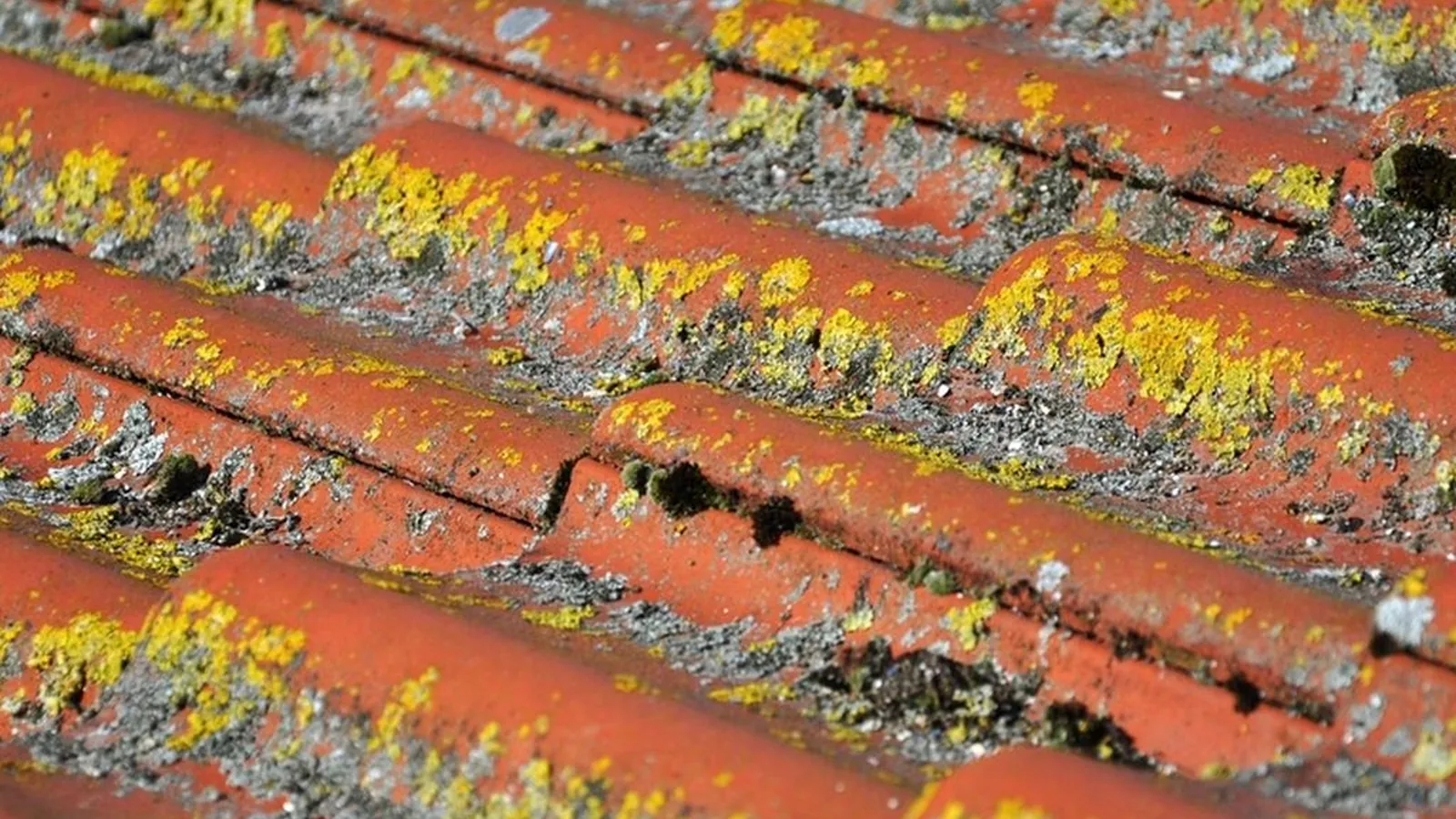
- Moss or lichen build-up on the roof surface, which retains moisture and accelerates deterioration of the covering beneath
- Water staining on fascias, soffits or internal wall surfaces near the roofline
- A musty or damp smell in the loft space, even without visible wet patches
None of these signs confirms a specific fault on its own. They are prompts to investigate further, not a diagnosis.
Common Causes of Roof Leaks
Weather and Physical Damage
Telford and Shropshire sit in an area that sees a reasonable share of wind, driving rain and winter frost. The most frequent weather-related causes include:
- Wind-lifted or displaced tiles and slates leaving the underlay exposed
- Storm debris blocking valleys and gutters, forcing water to back up under the roofline
- Ice expansion in cracked mortar or around flashing, widening gaps over successive winters
Ageing Materials and Junctions
Many of the issues TPC encounters during roof investigations relate not to the tiles themselves but to the junctions and secondary components:
- Lead and mortar flashings at chimney stacks, abutments and dormers are a common failure point, particularly on older properties
- Valley linings — whether lead, GRP or mortar-bedded — deteriorate over time and can allow water to track sideways into the roof structure
- Cracked or perished underlays beneath the tiles, which may have been adequate for decades but eventually fail, especially in older felt systems
Drainage and Gutter Problems
A blocked or poorly pitched gutter does not just cause damp to the fascia. Overflowing water can saturate the top of the external wall, find its way behind the soffit board and eventually appear as a damp patch well inside the building. Keeping gutters clear and ensuring downpipes discharge freely is straightforward maintenance that prevents a significant proportion of apparent roof leaks.
Spot Repair vs Full Investigation: Which Is Right?
The honest answer is that it depends on the age of the roof, the extent of visible damage and whether there is any history of previous repairs. The table below sets out the practical trade-offs.
| Factor | Spot Repair | Full Investigation |
|---|---|---|
| Short-term cost | Lower | Higher |
| Long-term certainty | Variable | Stronger |
| Hidden damage identified | Often missed | Identified |
| Risk of recurrence | Higher | Lower |
| Appropriate when | Fault is clearly isolated and recent | Multiple symptoms, older roof, or repeated leaks |
A spot repair is entirely reasonable when a single tile has slipped after a storm and the underlay beneath is sound. It becomes a false economy when the same area leaks again six months later, or when the original cause was never properly identified. An investigation that traces the water path — from the internal damp patch back to its external entry point — gives you a clearer picture before committing to any repair work.
How TPC Approaches Roof Investigations
TPC’s roofing work is coordinated with the same structural and drainage-first thinking that runs through all of its bespoke building services. Rather than treating a roof in isolation, the team considers how the roof interacts with the wall structure, the drainage system and the internal environment.
External Inspection
For roofs where safe access is a concern — steep pitches, high ridges or complex multi-plane arrangements — aerial inspection can identify slipped tiles, damaged flashing, failing valley linings and deteriorating mortar without requiring immediate scaffolding. TPC offers drone inspections for roofs like these. There is a charge for a drone inspection, but if you go ahead with the work, that cost is taken off your final bill.
Where scaffolding is appropriate, a hands-on inspection allows the team to assess mortar condition, flashing integrity and tile fixings directly.
Internal Loft Diagnostics
The loft space often tells a more complete story than the external surface alone. TPC’s inspection of the internal roof space covers:
- Underlay and batten condition — checking for tears, sagging felt, or battens showing signs of rot
- Water ingress tracking — following staining and moisture paths to identify where water is entering, which is frequently not directly above the internal damp patch
- Timber health — looking for early signs of rot or beetle activity in rafters and purlins
- Ventilation — assessing whether the roof space is adequately ventilated, since poor ventilation causes condensation that is often mistaken for a leak
Itemised Quotation and Project Portal
Once the investigation is complete, TPC provides an itemised quotation so you can see exactly what work is proposed and why. Progress is tracked through a client-facing project portal, keeping communication clear throughout. You can read more about how TPC manages projects on the process page.
Maintenance That Reduces Leak Risk
Professional repairs address existing faults. Routine maintenance reduces the likelihood of new ones developing. Practical steps for Shropshire homeowners include:
- Clear gutters and downpipes at least twice a year, particularly after autumn leaf fall
- Check visible flashings after severe weather — binoculars from ground level are often sufficient to spot obvious displacement
- Address moss growth before it becomes established; once moss lifts tiles or slates it creates a direct water path
- Inspect the loft space after heavy rain while conditions are fresh — active drips or new staining are easier to spot in the moment
- Keep a record of any repairs carried out, including dates and the scope of work, which is useful context for future investigations
A Note on Building Regulations
Most like-for-like roof repairs — replacing tiles, repointing flashings, renewing gutters — do not require Building Regulations approval. However, if the work involves changing the roof structure, altering insulation significantly, or forms part of a larger project such as a loft conversion, the position changes. Requirements depend on the specific work and property. GOV.UK’s guidance on Building Regulations approval is a useful starting point, but always confirm the position for your project with your local authority or a qualified professional.
TPC covers Telford, Shropshire and the wider West Midlands area. If you are seeing signs of a roof leak and want a structured investigation rather than a guess, the roofing services page sets out how TPC can help.