
Chimney Stack Repairs: Pointing, Flashing & Safety
Understand chimney pointing, flashing and structural safety checks — practical guidance for homeowners in Telford, Shropshire and the West Midlands.
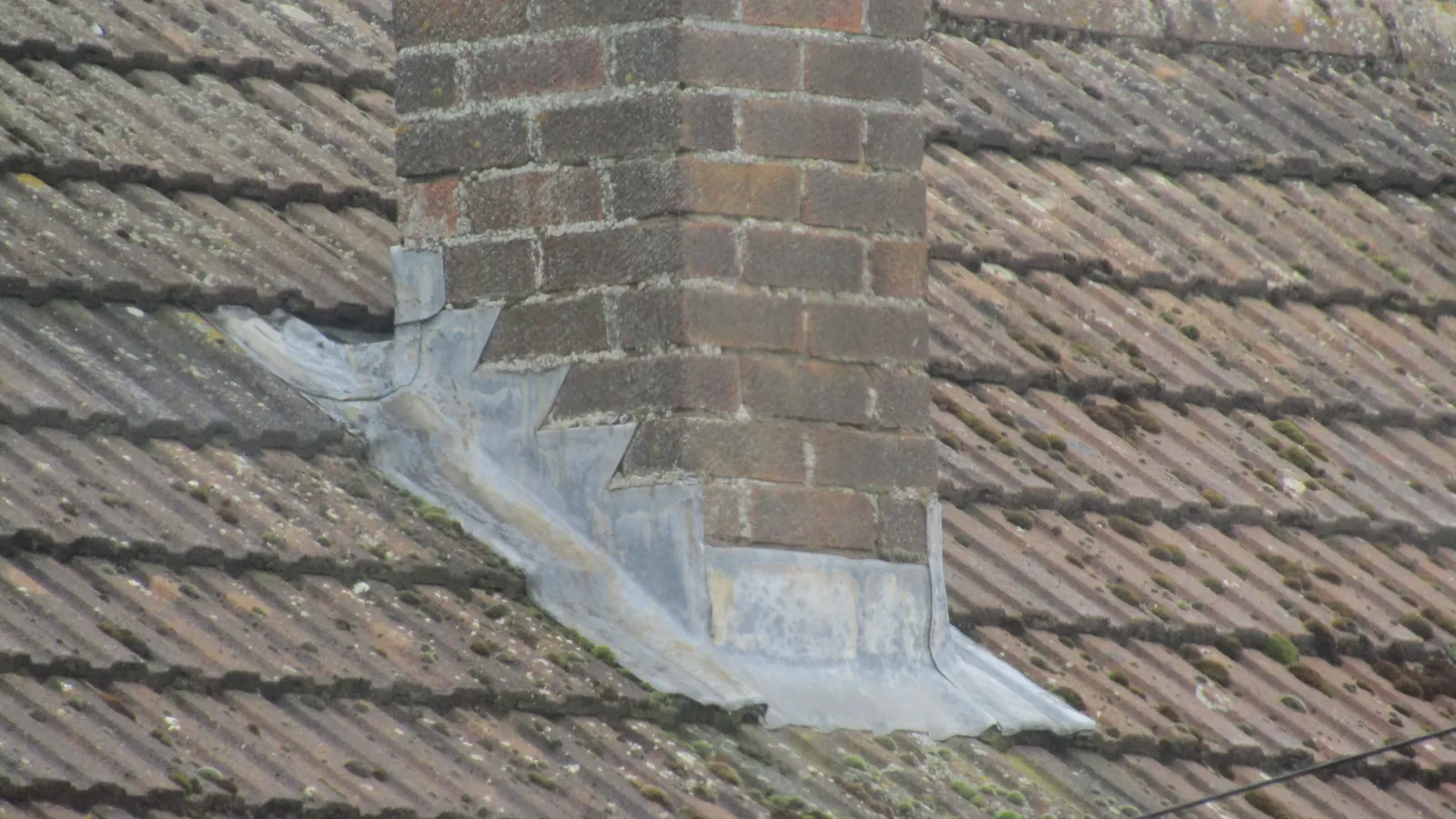
A chimney stack is one of the most exposed elements of any building. Projecting above the roofline and facing the full force of wind, rain and frost, it deteriorates faster than almost any other part of the structure. For homeowners across Telford, Shropshire and the wider West Midlands, catching chimney problems early is far less disruptive — and far less costly — than dealing with the consequences of water ingress, loose masonry or failed flashing.
This guide explains the three main areas of chimney repair, what to look for, and how a structured approach to maintenance keeps your property safe and weathertight.
Why Chimney Stacks Deteriorate
Most chimney stacks are built from brick or stone with lime or cement mortar joints. Over decades, the combination of thermal movement, freeze-thaw cycling and driving rain gradually breaks down both the mortar and the weatherproofing details at roof level. Period properties are particularly susceptible, but even stacks on homes built in the 1970s and 1980s can show significant wear.
Left unaddressed, deterioration follows a predictable pattern: water enters through failed joints or flashings, saturates the masonry, accelerates frost damage, and eventually compromises the structural integrity of the stack itself. Internal damp, stained ceilings and crumbling brickwork are the visible results — but by the time these appear, the underlying problem is usually well established.
The Three Core Areas of Chimney Repair
1. Chimney Pointing
Pointing refers to the mortar joints between the individual bricks or stones that make up the stack. These joints are the first line of defence against water penetration.
Signs that pointing needs attention:
- Mortar that is visibly recessed, crumbling or missing in sections
- Efflorescence (white salt deposits) on the brickwork face
- Damp patches on internal chimney breast walls
- Frost damage causing brick faces to spall or flake
Re-pointing involves raking out the deteriorated mortar to a sufficient depth and replacing it with a mix appropriate to the age and construction of the stack. Using a mortar that is too hard for older, softer bricks can cause further damage, so the specification matters. This is general guidance — the right mortar type for your stack depends on its age, brick type and condition, and should be assessed on site.
2. Chimney Flashing
Flashing is the weatherproofing detail where the chimney stack meets the roof slope. It is typically formed in lead, though other materials are used on some modern properties. Flashing has two components: the stepped or cover flashing that laps over the stack, and the soakers or back gutter that direct water away from the junction.
Signs that flashing needs attention:
- Damp patches on ceilings near the chimney breast, particularly after rain
- Visible gaps, lifting or cracking where the flashing meets the stack or tiles
- Lead that has slipped, torn or been poorly patched in the past
- Mortar pointing that has been used as a substitute for proper flashing (a common but inadequate repair)
Well-executed lead flashing, correctly dressed and secured, provides long-lasting weatherproofing. Mortar-only repairs at the flashing junction are a temporary measure at best and should be replaced with properly formed metalwork.
3. Structural Safety Checks
Beyond pointing and flashing, the structural condition of the stack itself requires periodic assessment — particularly on older properties or where visible movement or cracking has been noticed.
Key structural concerns include:
- Leaning or visibly out-of-plumb stacks, which may indicate foundation movement or severe mortar loss
- Horizontal or stepped cracking through the brickwork
- Loose or missing chimney pots and cowls, which allow water and birds into the flue
- Flue liner condition, particularly where the chimney is still in use for a wood burner or gas appliance
A leaning or cracked stack is a safety matter, not just a maintenance one. If you have concerns about the structural condition of a chimney, seek a professional assessment promptly. This article provides general background only — structural decisions must be based on a proper inspection of the specific property.
Reactive Repair vs. Planned Maintenance
The table below illustrates why addressing chimney issues proactively tends to produce better outcomes than waiting for a problem to become urgent.
| Factor | Reactive Repair | Planned Maintenance |
|---|---|---|
| Overall cost | Higher — damage is more extensive by the time it is found | Lower and more predictable |
| Disruption | Often urgent; scaffolding at short notice | Scheduled at a convenient time |
| Extent of damage | Wider spread through masonry and internal finishes | Limited to the original fault |
| Scaffolding requirement | Likely unavoidable | Can be planned efficiently |
| Property condition | Negatively affected until resolved | Maintained consistently |
A periodic inspection — particularly after severe winters or before selling a property — is a straightforward way to stay ahead of chimney deterioration.
Regulatory Considerations
Most chimney repairs — pointing, flashing replacement and like-for-like structural repairs — do not require planning permission. However, if your property is listed, within a conservation area, or if the repair involves significant alteration to the stack’s appearance or height, you should check with your local planning authority before proceeding.
Where a chimney is connected to a working appliance, any work affecting the flue or liner may engage Building Regulations requirements. This is particularly relevant for installations involving solid fuel or gas. Always confirm the regulatory position for your specific property and intended scope of work — requirements vary and rules change.
How TPC Approaches Chimney and Roofing Work
TPC Limited covers Telford, Shropshire and surrounding areas of the West Midlands, working across residential roofing and bespoke building projects.
Our approach to chimney and roofing work is built around a few consistent principles:
Structural and drainage thinking first. Before specifying any repair, we consider how water moves across the roof and stack, and whether there are underlying structural factors contributing to the deterioration. Treating the symptom without understanding the cause leads to repeat problems.
Itemised quotations. We provide clear, written quotations that break down the scope of work so you understand exactly what is being done and why. There are no vague line items.
Clear communication throughout. Our project portal keeps you informed at each stage, so you are never left wondering what is happening or what comes next.
Honest assessment. If a repair is straightforward, we will say so. If the condition of a stack warrants further investigation before a full specification can be confirmed, we will tell you that too.
For chimney repairs as part of a broader roofing project, our roofing services page sets out how we approach this work. If your project involves wider structural or building work alongside the roof, our bespoke building service may be relevant. You can also read about how our process works from initial enquiry through to completion.
What to Do Next
If you have noticed any of the signs described above — damp patches near the chimney breast, visible mortar loss, lifting flashing or a stack that looks out of true — the sensible step is to arrange an inspection before the next winter season.
Early intervention is almost always simpler and less disruptive than dealing with the damage that follows from delay.